Reserves & Resources
Production targets and geological indicators across BYM's four concession sites in eastern DRC. All figures are management estimates — not audited resource statements.
Daily Target
400g
Base case scenario
Monthly Target
12,000g
25 operating days/month
Gold Price Ref.
$95K/kg
$3054/oz approx.
Break-Even
302g/day
60% of base case target
Scenario Analysis
Revenue vs Net Profit by Scenario
| Scenario | Production | Revenue/Month | OPEX/Month | Net Profit |
|---|---|---|---|---|
| low | 200g/day | $570,000 | $171,500 | $341,500 |
| base | 400g/day | $1,140,000 | $171,500 | $911,500 |
| high | 600g/day | $1,710,000 | $171,500 | $1,481,500 |
All figures in USD. Based on management estimates. Gold price reference: $95K/kg. Actual results may vary. Full financial methodology →
Geological Indicators
BYM does not publish JORC or NI 43-101 compliant resource estimates at this stage. The geological indicators below are based on historical artisanal production records, cooperative data, and management assessments. Independent geological work is planned as part of the 2026 expansion phase.
Proven Alluvial Deposits
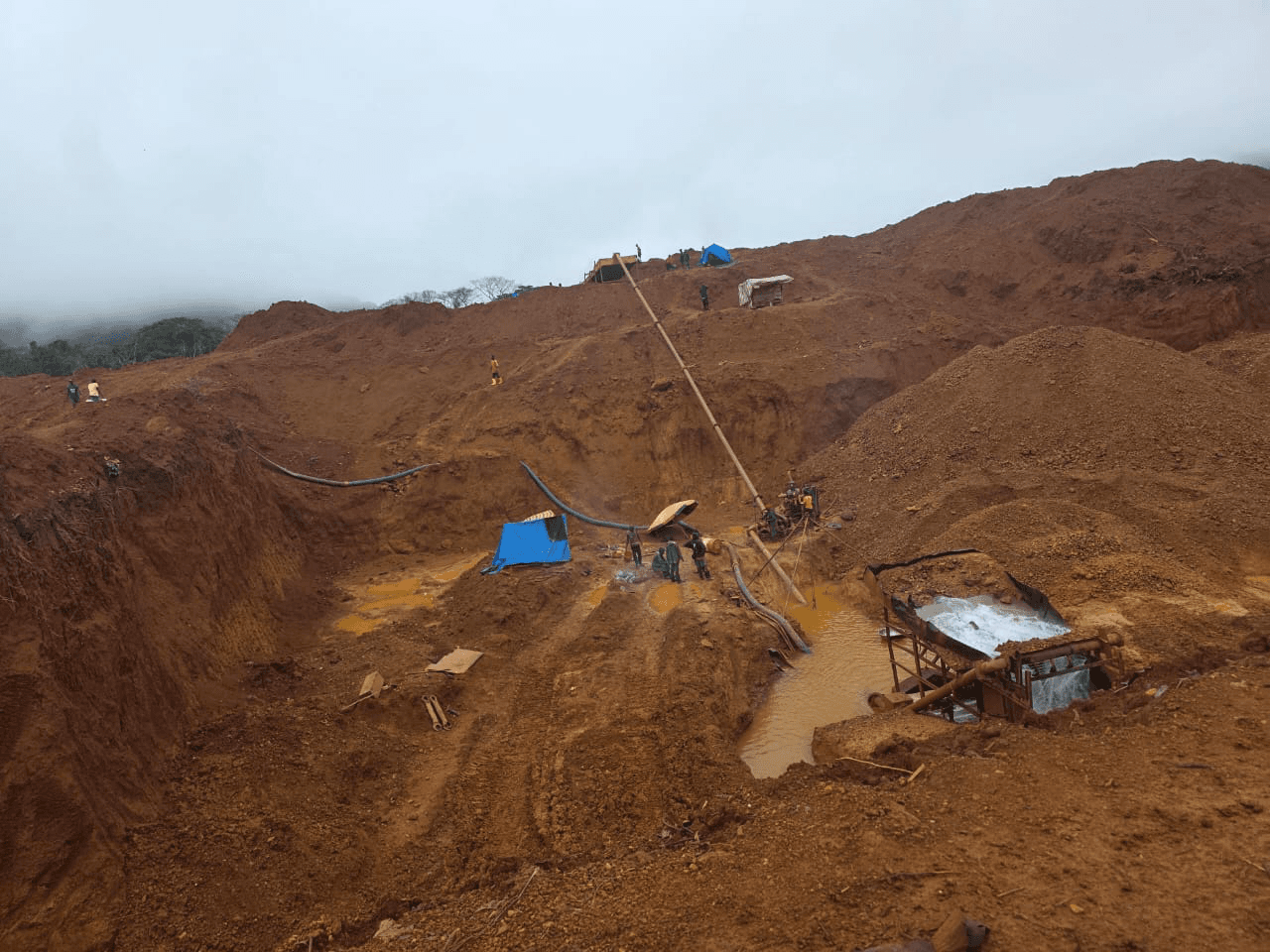
Decades of artisanal mining activity across all four concessions confirms recoverable alluvial gold deposits throughout the production corridor. Records from local mining cooperatives and exploitation associations provide historical production context.
Favorable Geology
Eastern DRC is situated on the Congo Craton, one of Africa's oldest geological formations, with well-documented gold mineralization associated with greenstone belts and Precambrian basement structures.
Multi-Site Diversification
Four contiguous concessions at varying altitudes (857–919m) provide geological diversification, reducing single-point geological risk and enabling flexible production scheduling.
Drainage & Water Advantages
Natural topography with elevation variations provides drainage advantages critical for alluvial gold processing, supporting hydraulic separation and water recycling across the 6 km corridor.