Operations
Two operating sites, four concession areas, one fleet.
Black & Yellow Minerals works gold deposits in eastern Democratic Republic of Congo with local cooperative partners. This page sets out where the sites are, how they are worked and what equipment is on the ground.
01Where we work
Three provinces in eastern Congo.
Boundaries: geoBoundaries (CC BY 4.0)
Bavidili, in Tshopo Province, is worked as a hydraulic open-cut with sluice recovery. Beni, in North Kivu Province, is mined with hydraulic excavators. Four permit areas, P1 to P4, recorded in Ituri Province complete the footprint.
In each case the deposit is held by a licensed local cooperative. BYM brings equipment, supervision and market access; the cooperative keeps its place in the operation.
- Provinces
- Tshopo · North Kivu · Ituri
- Eastern Democratic Republic of Congo
- Mining methods
- Hydraulic open-cut and mechanised excavation
- Gravity (sluice) recovery
- Operating basis
- Local cooperative partnerships
- Equipment, supervision and market access provided by BYM
02Sites
The operating sites.
BavidiliBafwasende Territory · Tshopo Province Tshopo Province · Bafwasende Territory
Bavidili
Hydraulic open-cut mining with gravity (sluice) separation
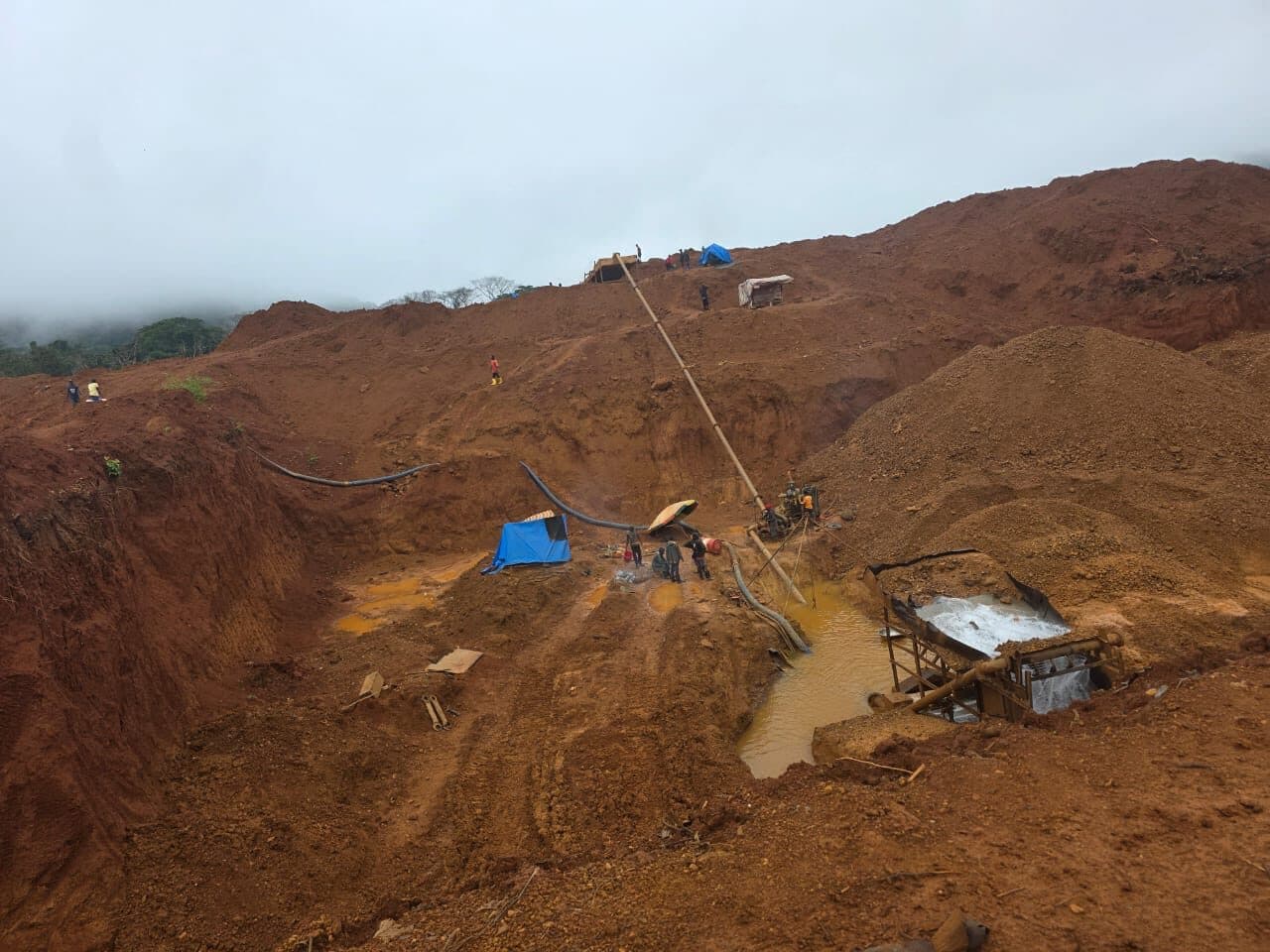
Open-cut hydraulic gold mining on laterite benches in Tshopo Province, with on-site gravity separation.
BeniBeni Territory · North Kivu Province North Kivu Province · Beni Territory
Beni
Mechanised excavation with hydraulic excavators
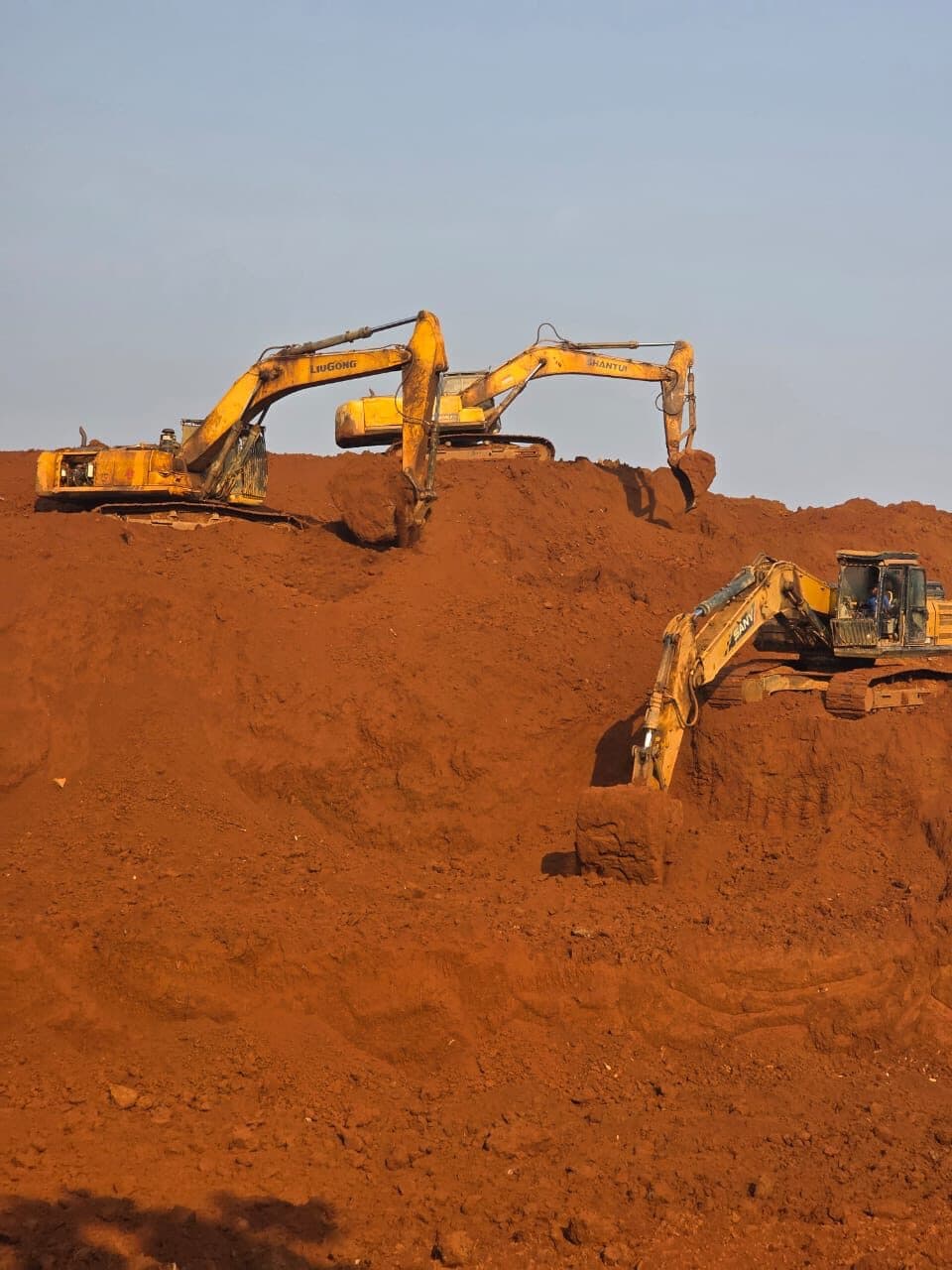
Mechanised earthworks with a fleet of LiuGong, Shantui and SANY excavators in North Kivu Province.
03Concession portfolio
Four permit areas, P1 to P4.
04Method
How a site works.
- 01
Hydraulic open-cut
Water is pumped to the working face to break down the laterite. The slurry runs down the slope to sluices at the base of the pit. This is how Bavidili is worked.
- 02
Mechanised excavation
Hydraulic excavators strip the overburden and mine the gold-bearing gravels on terraced benches. Loaders and dump trucks move the material. This is how Beni is worked.
- 03
Gravity recovery
Gold is recovered in sluices by gravity: the heavier gold settles in the sluice while lighter material washes through. The circuit is simple by design and moves as the working face advances.
- 04
On-site maintenance
Excavators, pumps and vehicles are serviced on site by BYM technicians. The fleet and its upkeep are described on the equipment page.
05Production batch
One weighed batch, on the record.
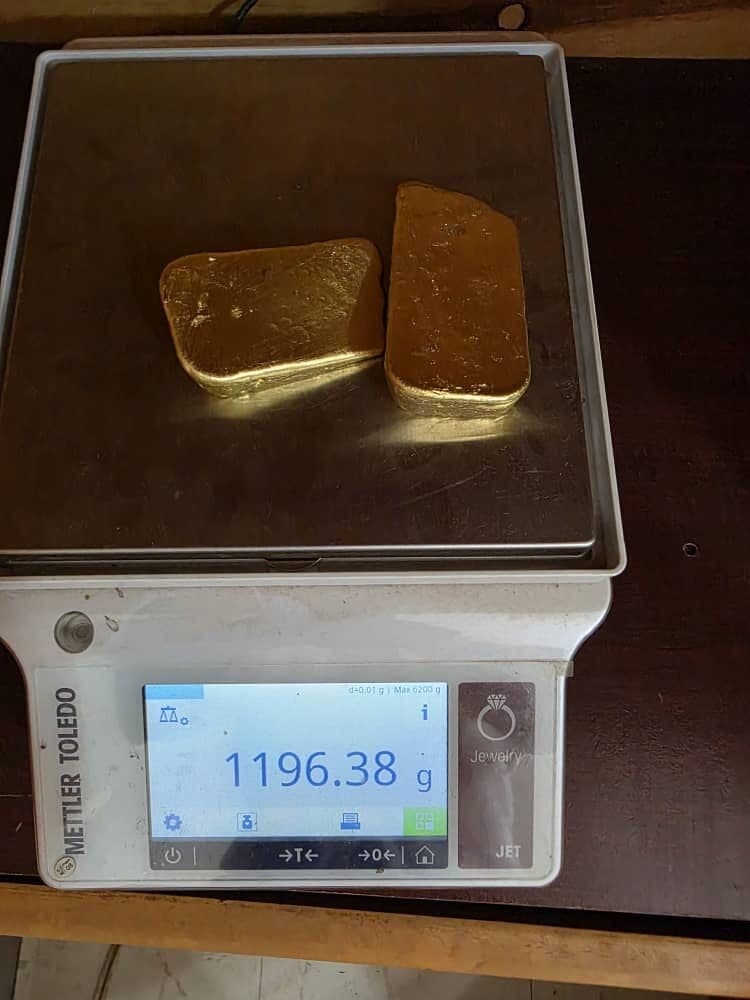
The photograph shows two dore bars from a production batch on a precision balance. It is the only production figure published on this site; no other output, grade or resource figure has been published.
- Weight
- 1,196.38 g
- As read on the balance in the photograph
- Instrument
- Mettler Toledo precision balance
- Date
- April 2026
Next